Farmer-is-going-to-work Vector Design: A Practical Evaluation for Creative Professionals
In the competitive landscape of digital asset creation, finding a design that balances aesthetic appeal with technical versatility is often a challenge. The Farmer-is-going-to-work Vector Design emerges as a compelling option for creators looking to integrate agricultural themes into their projects without compromising on quality or flexibility. This review examines the specific attributes of this vector asset, evaluating its utility for t-shirt manufacturers, illustrators, and small business owners who require robust, scalable graphics.
Understanding the Core Concept
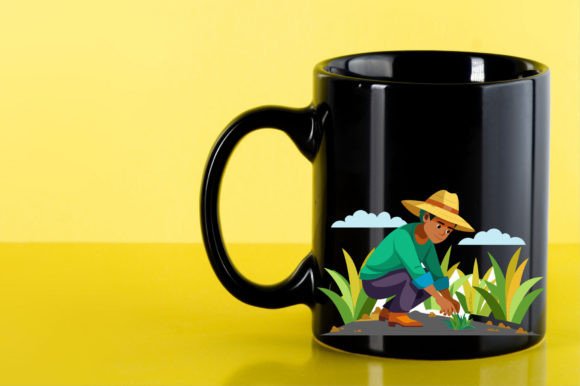
The Farmer-is-going-to-work Vector Design captures a narrative moment that is both relatable and visually distinct. Unlike generic stock imagery that can feel sterile, this design leverages the charm of rural life while maintaining a modern, clean aesthetic suitable for contemporary branding. It is not merely an illustration; it is a functional graphic asset built for commercial application. Whether you are designing merchandise for a local farm stand, creating content for an agricultural blog, or developing a brand identity for a sustainable food startup, this vector provides a strong foundational element.
The subject matter itself—the daily routine of farming—resonates with a wide demographic. From hobbyists gardening at home to professionals in the agribusiness sector, the imagery strikes a chord of authenticity. By utilizing vector technology, the designer ensures that this emotional connection is preserved regardless of where the image appears, from a tiny social media icon to a large-format billboard.
Technical Specifications and Format Versatility
One of the most critical aspects of any digital design purchase is the format availability. The Farmer-is-going-to-work Vector Design addresses this need comprehensively by providing source files in multiple industry-standard formats: .AI, .EPS, .SVG, .DXF, and .PNG. This multi-format approach significantly broadens its potential use cases.
- .AI and .EPS: These are essential for professional graphic designers working in Adobe Illustrator or similar software. They allow for deep editing, color manipulation, and integration into complex layouts.
- .SVG: Ideal for web developers and UI/UX designers, ensuring crisp rendering across all screen resolutions.
- .DXF: This format is particularly valuable for users involved in laser cutting, vinyl plotting, or CNC machining. It bridges the gap between digital design and physical production.
- .PNG: Provides immediate usability for quick edits or platforms that do not support vector uploads, complete with transparency options.
This diversity in file formats means that the asset is not locked into a single workflow. A marketer can use the SVG for a website banner, while a print-on-demand partner uses the AI file for high-resolution t-shirt printing. This interoperability reduces friction in the creative process and minimizes the risk of compatibility issues.
Design Quality and Customization Potential
The structural integrity of the Farmer-is-going-to-work Vector Design is built upon 100 vector shapes. This level of granularity offers significant advantages over rasterized images or overly simplified clip art. Each shape can be manipulated independently, allowing for precise adjustments to proportions, colors, and styles. For instance, if a brand’s color palette shifts from earthy greens to vibrant oranges, the designer can easily recolor the elements without losing detail or introducing pixelation.
The design is explicitly crafted to be easily customizable for both dark and white backgrounds. This dual-mode capability is crucial for apparel design, where contrast management is key. On a white t-shirt, the design likely utilizes darker tones for visibility, while on a black or navy shirt, lighter accents ensure the artwork pops. This adaptability extends to other mediums as well, such as mugs, book covers, and business cards, where background consistency varies widely.
Furthermore, the fully customizable nature of the colors allows for seamless integration into existing brand guidelines. Creators are not forced to accept a pre-set palette but can instead tailor the hues to match specific marketing campaigns or seasonal themes. This flexibility enhances the long-term value of the asset, as it can evolve alongside a brand rather than becoming obsolete after a single use.
Practical Applications and Real-World Use Cases
Who benefits most from the Farmer-is-going-to-work Vector Design? The answer lies in the diverse range of industries that intersect with agriculture, lifestyle, and craftsmanship.
Apparel and Merchandise
For entrepreneurs in the print-on-demand space, this design offers a ready-made solution for niche markets. Farmers’ markets, organic food producers, and rural tourism boards often seek merchandise that reflects their values. The vector’s scalability ensures that the design remains sharp whether printed on a tote bag or embroidered on a cap. The inclusion of DXF files also opens doors for those who create custom cut-files for vinyl decals, a popular trend in car customization and home decor.
Digital Content and Publishing
Bloggers and educators covering topics related to sustainability, homesteading, or local food systems can utilize this design to enhance their visual storytelling. The clean lines and professional finish lend credibility to articles and educational materials. Additionally, publishers might find the design suitable for book covers targeting audiences interested in rural living or agricultural history.
Corporate Branding
Small businesses in the agri-tech or organic supply chain sectors can incorporate elements of this design into their logos or promotional flyers. The ability to extract specific vector shapes allows for the creation of unique icons or badges that convey trust and tradition without appearing outdated.
Evaluating Strengths and Limitations
The primary strength of the Farmer-is-going-to-work Vector Design is its balance between artistic expression and technical utility. It avoids the trap of being too abstract to understand or too literal to be versatile. The provision of source files empowers users to take ownership of the design, fostering a sense of exclusivity even when using a pre-made asset.
However, potential users should consider a few practical limitations. While the design is highly customizable, achieving a completely unique look may require additional effort in terms of layer management and color theory. Users unfamiliar with vector editing software may find the initial setup slightly challenging, though the included PNG files offer a fallback for simpler tasks. Additionally, the effectiveness of the design depends heavily on how it is integrated into the overall composition; like any asset, it performs best when used thoughtfully rather than as a standalone crutch.
Conclusion and Final Thoughts
In summary, the Farmer-is-going-to-work Vector Design represents a thoughtful investment for creatives seeking high-quality, adaptable agricultural imagery. Its robust file format support, coupled with its inherent customizability, makes it a versatile tool for a wide array of projects. Whether you are launching a new clothing line, updating your website’s visual identity, or preparing marketing materials for a community event, this design offers the reliability and professionalism needed to succeed.
By prioritizing user intent and practical usefulness, this asset aligns well with the needs of modern professionals who demand efficiency without sacrificing aesthetic standards. For those willing to explore the possibilities within its 100 vector shapes, the Farmer-is-going-to-work Vector Design proves to be more than just a picture—it is a foundation for creative growth.