Evaluating the Elegant Business Card and Visiting Card: A Practical Guide for Professionals
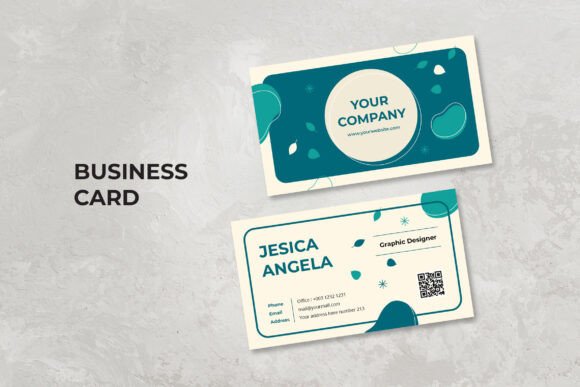
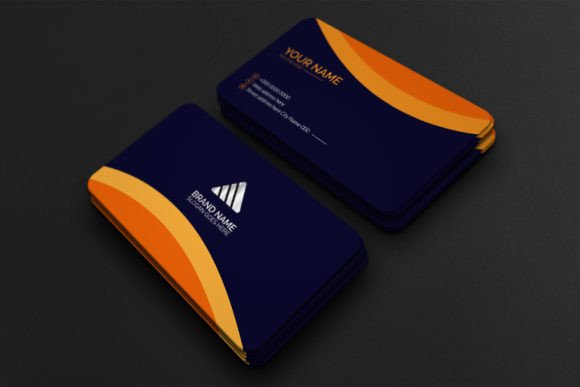
In an era where digital networking often supersedes face-to-face interaction, the physical business card remains a critical touchpoint for establishing professional credibility. However, not all cards are created equal. The market is saturated with generic templates that fail to leave a lasting impression, making the choice of design tool and template paramount for individuals aged 20–50 who are actively building their personal brand. Among the various options available, the Elegant Business Card and Visiting Card template has emerged as a sophisticated solution for those seeking a premium aesthetic without requiring advanced graphic design skills from the ground up.
This article provides a comprehensive evaluation of this specific template, analyzing its technical specifications, customization capabilities, and overall value proposition. By comparing it against standard industry approaches and alternative design methods, readers can determine whether this resource aligns with their professional needs and workflow preferences.
Understanding the Core Offering
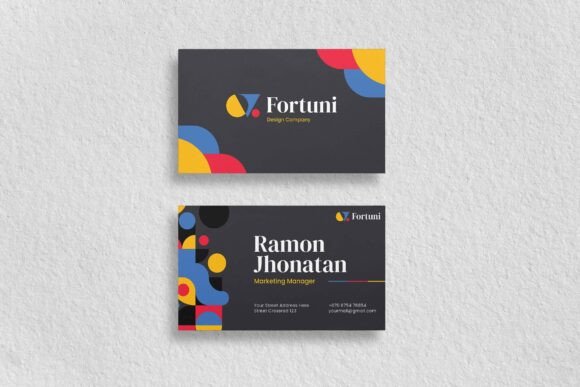
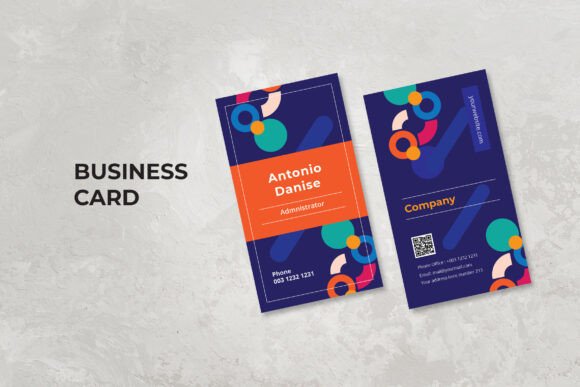
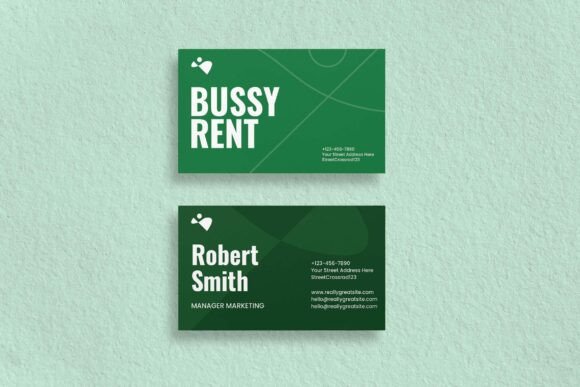
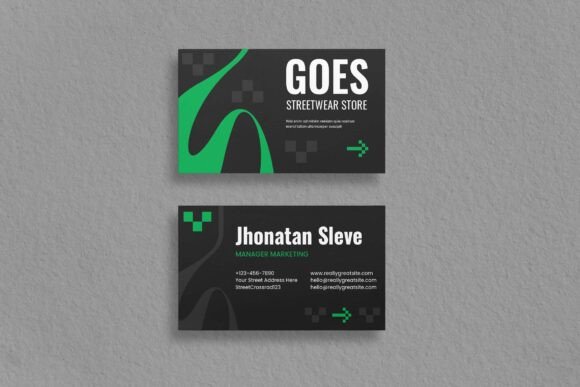
The Elegant Business Card and Visiting Card is marketed as a fully customizable template designed for both Adobe Photoshop and Adobe Illustrator. This dual compatibility is significant, as it caters to two distinct user bases: those who prefer the pixel-based editing of Photoshop and those who rely on the vector precision of Illustrator. The product is positioned as a tool for presenting oneself in a stylish and professional manner, bridging the gap between amateur design efforts and agency-level output.
What distinguishes this template from many free or low-cost alternatives found online is the level of organization and preparation included in the download. It is not merely a static image file; it is a structured project file. For users unfamiliar with design software, this distinction is crucial. A well-organized file reduces the learning curve and minimizes the risk of errors during the editing process. The inclusion of paragraph styles, separate layers, and defined bleeds indicates a professional approach to template creation, ensuring that text and graphics remain aligned and print-ready.
Technical Specifications and Print Readiness
When evaluating a business card template, technical accuracy is non-negotiable. A visually stunning design is rendered useless if it prints incorrectly due to poor file setup. The Elegant Business Card and Visiting Card addresses these fundamental requirements through several key features:
- CMYK Color Mode: Unlike RGB designs intended for screens, this template uses CMYK color profiles. This is essential for offset and digital printing, ensuring that colors appear as intended on paper rather than looking washed out or shifted.
- 300 DPI Resolution: High resolution is standard for print materials. At 300 dots per inch, the template ensures sharp text and crisp imagery, avoiding the pixelation that plagues lower-resolution web assets.
- Standard Dimensions: The template supports both 3.5×2 inches and 2×3.5 inches orientations. These are the industry-standard sizes for business cards in North America and many other regions, ensuring compatibility with standard card holders and printing equipment.
- Bleed and Safety Margins: The inclusion of bleed areas prevents white edges from appearing after cutting. This is a common pitfall for novice designers, but pre-configured bleeds in the template mitigate this risk entirely.
Furthermore, the template utilizes vector shapes where applicable. Vector graphics are resizable without loss of quality, allowing for flexibility in layout adjustments. This feature is particularly useful for professionals who may need to tweak minor elements without worrying about jagged edges or blurry lines.
Customization and Workflow Efficiency
The primary value of any template lies in its ease of use. The Elegant Business Card and Visiting Card claims to be easy to edit, and the file structure supports this claim. The download includes IDML files, which are compatible with Adobe InDesign, as well as AI (Illustrator) and PSD (Photoshop) files. This multi-format approach allows users to choose the software they are most comfortable with.
A notable feature is the provision of links to free fonts. Many premium templates require users to purchase additional typefaces, adding hidden costs and complexity. By linking to free fonts, the creator ensures that users can achieve the exact look of the preview without legal or financial hurdles. This transparency builds trust and simplifies the onboarding process.
The file also comes with a help file, likely in PDF format, which guides users through the editing steps. For individuals who are not professional designers, this support documentation is invaluable. It transforms a potentially intimidating task into a manageable series of steps, such as replacing text, swapping images, and adjusting colors.
Comparing Approaches: Templates vs. Custom Design
When considering the Elegant Business Card and Visiting Card, it is helpful to compare it against two main alternatives: hiring a freelance designer and using DIY tools like Canva.
Versus Freelance Design
Hiring a graphic designer offers a unique, tailored result. However, this route is often cost-prohibitive for early-career professionals or small business owners. Costs can range from $50 to several hundred dollars per design cycle. Additionally, the turnaround time may be slow, and communication barriers can lead to revisions that miss the mark. The template offers a one-time purchase model, providing unlimited edits at a fraction of the cost. While it lacks the bespoke nature of a custom design, it delivers a polished, professional appearance that is sufficient for most networking scenarios.
Versus DIY Online Builders
Online platforms like Canva offer convenience and accessibility. However, they often lock high-quality assets behind paywalls and limit export options for print-ready files. Users may struggle with color management and bleed settings when exporting from web-based editors. The Elegant Business Card and Visiting Card, by contrast, gives users direct control over the source files. This is advantageous for those who want to ensure precise control over every element, from kerning to color calibration. It is a better fit for users who have access to Adobe Creative Cloud and desire a higher degree of technical precision.
Who Is This Template Best Suited For?
Determining the right fit requires an honest assessment of one’s skills and goals. The Elegant Business Card and Visiting Card is ideal for:
- Professionals Seeking Polish: Individuals who want a clean, minimalist, or sophisticated look but lack the time or skill to create it from scratch.
- Adobe Users: Those already familiar with Photoshop or Illustrator who prefer working with native files over web-based interfaces.
- Budget-Conscious Entrepreneurs: Startups and freelancers who need high-quality marketing materials without recurring subscription fees for design services.
- Print-Savvy Users: People who understand the importance of CMYK, bleeds, and high-resolution exports and want a template that respects these standards.
Conversely, this template may not be the best choice for absolute beginners who have never opened design software. The learning curve, while mitigated by the help file, still exists. Additionally, users who rely exclusively on mobile devices for work may find the desktop-focused Adobe ecosystem less convenient than a responsive web app.
Tradeoffs and Limitations
No product is without limitations. One potential drawback of the Elegant Business Card and Visiting Card is the dependency on Adobe software. If a user does not own Adobe CC, they cannot utilize the AI or PSD files. While the IDML file suggests InDesign compatibility, it does not solve the issue for users who only have access to free or open-source alternatives like GIMP or Inkscape, which may struggle with proprietary Adobe formats.
Another consideration is the static nature of the design. Once purchased, the template is fixed. Users cannot update it automatically if the creator releases new versions with improved layouts. They must re-download and re-import the files manually. Furthermore, because the design is shared among multiple users, there is a slight risk of encountering others with similar cards. However, extensive customization of typography, color palettes, and imagery can effectively differentiate one’s card from others using the same base template.
Final Considerations for Decision Making
The decision to use the Elegant Business Card and Visiting Card should be driven by a balance of aesthetic preference, technical capability, and budget. For professionals who value efficiency and print quality, this template offers a robust solution. It eliminates the guesswork involved in setting up print files and provides a sophisticated starting point for branding.
By leveraging the included vector shapes, layered structures, and free font links, users can create a visiting card that reflects their personal brand identity accurately. It serves as a practical tool for those who recognize that first impressions matter and are willing to invest a small amount of effort into mastering their design software to achieve a premium result. Ultimately, it represents a smart middle ground between expensive custom design and low-effort generic templates, offering a versatile option for modern professionals.