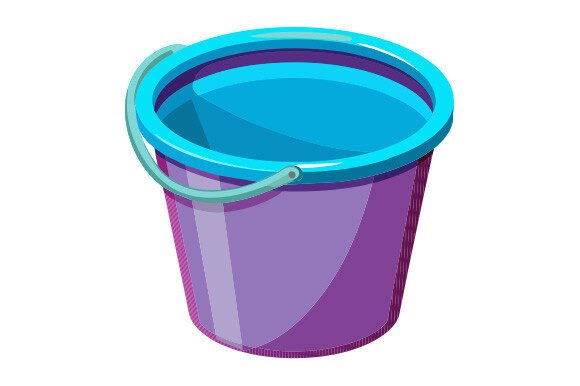
Empty Plastic Bucket with One Handle: A Versatile Tool for Everyday Tasks
In the vast landscape of household and industrial tools, few items are as deceptively simple yet universally useful as an empty plastic bucket with one handle. While it may seem like a mundane object, this specific configuration offers distinct advantages over its two-handed counterparts. Whether you are a professional contractor, a gardener, or someone looking to organize their home, understanding the nuances of this tool can significantly enhance your efficiency and safety.
The design of an empty plastic bucket with one handle is rooted in ergonomic principles that prioritize single-hand operation. Unlike traditional buckets that require two hands for lifting and carrying, especially when full, the single-handle design allows users to maintain balance and dexterity with their free hand. This feature makes it an indispensable asset in scenarios where mobility and quick access are paramount.
Understanding the Design and Functionality
To truly appreciate the utility of an empty plastic bucket with one handle, we must first look at its construction. These buckets are typically molded from high-density polyethylene (HDPE) or similar durable plastics, ensuring they are lightweight yet resistant to cracking and impact. The single handle is not merely an afterthought; it is often integrated directly into the body of the bucket through rotational molding or reinforced attachment points, providing structural integrity even under heavy loads.
The shape of the bucket also plays a crucial role. Most models feature a cylindrical or slightly tapered design, which maximizes volume while minimizing the footprint. This geometry ensures stability when placed on uneven surfaces, reducing the risk of tipping. Furthermore, the smooth interior walls facilitate easy cleaning, making it ideal for tasks that involve liquids, mud, or granular materials.
Ergonomics and User Experience
The primary advantage of an empty plastic bucket with one handle lies in its ergonomic benefits. When carrying a heavy load, such as a bucket filled with water, soil, or debris, using one hand frees up the other for support, balance, or holding tools. For instance, a painter might use their free hand to steady a ladder while carrying supplies, or a gardener might use the same hand to prune branches while transporting waste.
Additionally, the handle is usually designed with comfort in mind. Many modern iterations include padded grips or contoured shapes that reduce strain on the wrist and fingers during prolonged use. This attention to detail transforms a basic utility item into a user-friendly tool that minimizes fatigue over time.
Common Applications Across Industries
The versatility of an empty plastic bucket with one handle allows it to be utilized in a wide array of settings. Below are some of the most common applications where this tool shines:
- Construction and Renovation: Contractors frequently use these buckets to transport small tools, nails, screws, and mortar mix. The single handle allows for quick retrieval of materials without setting the bucket down, streamlining workflow on busy job sites.
- Gardening and Landscaping: Gardeners rely on these buckets for collecting weeds, pruning clippings, or carrying potting soil. The lightweight nature of the plastic makes it easy to move around large gardens, while the open top facilitates quick dumping of waste.
- Cleaning and Maintenance: In commercial and residential settings, janitorial staff often prefer single-handle buckets for mopping and general cleaning tasks. They can easily maneuver through tight spaces and carry cleaning solutions alongside rags or brushes.
- Fishing and Outdoor Activities: Anglers use these buckets to hold bait, catch, or gear. The durability of the plastic ensures it can withstand exposure to water, sun, and rough handling outdoors.
- Food Service and Catering: Chefs and caterers may use food-grade versions of these buckets to store ingredients, ice, or prepared dishes. The easy-to-clean surface meets hygiene standards, and the handle allows for efficient movement between stations.
Evaluating Suitability for Your Needs
While an empty plastic bucket with one handle is highly versatile, it is essential to consider specific factors before purchasing to ensure it meets your requirements. Here are key aspects to evaluate:
- Capacity: Buckets come in various sizes, ranging from 1-gallon containers to 5-gallon industrial drums. Choose a size that aligns with the typical weight and volume of materials you will be carrying. Remember that a larger capacity means more weight when full, so balance volume with portability.
- Material Quality: Opt for buckets made from UV-resistant plastic if you plan to use them outdoors. Prolonged sun exposure can degrade lower-quality plastics, leading to brittleness and cracks. Food-grade options are necessary if the bucket will come into contact with consumables.
- Handle Strength: Inspect the handle attachment point. A robust connection is critical for safety, especially when lifting heavy loads. Some models offer reinforced handles or optional add-ons like shoulder straps for added convenience.
- Stackability: If storage space is limited, look for buckets designed to nest or stack securely. This feature helps save room in garages, sheds, or work vehicles.
Advantages Over Traditional Two-Handed Buckets
Why choose an empty plastic bucket with one handle over a standard two-handle model? The answer lies in flexibility and speed. In many situations, having both hands occupied is impractical or unsafe. For example, when climbing ladders, navigating stairs, or working in confined spaces, a single handle allows for better control and maneuverability.
Moreover, single-handle buckets are often easier to clean and maintain. With fewer crevices and no second handle to trap dirt or debris, they can be rinsed out quickly and thoroughly. This simplicity extends their lifespan and keeps them hygienic for repeated use.
Maintenance and Care Tips
To maximize the longevity of your empty plastic bucket with one handle, follow these simple maintenance guidelines:
- Regular Cleaning: Wash the bucket with mild soap and water after each use, especially if it has contained chemicals, oils, or organic matter. Avoid abrasive cleaners that could scratch the surface.
- Proper Storage: Store the bucket upside down or in a shaded area to prevent dust accumulation and protect it from direct sunlight. This practice helps maintain the plastic’s integrity and color.
- Inspect for Damage: Periodically check the handle and rim for signs of wear or cracking. Address minor issues early to prevent accidents or further deterioration.
- Avoid Extreme Temperatures: While plastic is durable, extreme heat or cold can affect its properties. Do not leave the bucket in a hot car or expose it to open flames.
Conclusion
An empty plastic bucket with one handle is more than just a container; it is a practical solution for a multitude of everyday challenges. Its ergonomic design, durability, and versatility make it a valuable addition to any toolkit, whether for professional use or household chores. By understanding its features and applications, you can make informed decisions that enhance your productivity and safety.
As you explore different brands and models, remember to prioritize quality and suitability for your specific needs. Whether you are painting a room, tending to your garden, or organizing your workspace, this simple yet effective tool can make a significant difference in how you approach your tasks. Embrace the convenience and efficiency of an empty plastic bucket with one handle, and discover how it can streamline your daily activities.